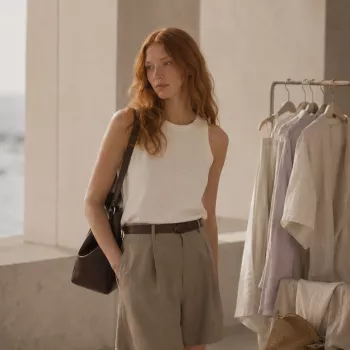
Cool-Down Summer Pieces Checklist: A Heat-Ready Wardrobe You Can Actually Wear
Hot-weather dressing feels easier when the closet is stocked with pieces that breathe, move, and layer without trapping heat. This checklist organizes the most useful summer wardrobe categories—clothing, shoes, accessories, and fabric choices—so outfits stay comfortable from commute to weekend plans, even during heatwaves.
What “cool-down” pieces do (and why some summer outfits still feel hot)
Even “summer” outfits can run warm when fabric and fit hold heat close to the body. Cool-down pieces are the ones that help heat escape, manage sweat, and keep outfits wearable for longer stretches of the day.
- Prioritize airflow: loose silhouettes, vented details, and open necklines give heat a way out.
- Choose fibers that work with sweat: natural fabrics and smart performance blends often feel cooler than heavy synthetics.
- Reduce friction: lightweight layers and smoother fabrics help prevent that sticky, overheated feeling.
- Build repeatable outfits: a small set of breathable staples creates many combinations without overpacking.
For hotter-than-usual days, it also helps to follow public health guidance on reducing heat stress (see CDC: Heat and Health and NIOSH: Heat Stress).
The core cool-down checklist (grab-and-go categories)
These categories cover most real-life summer needs: outdoor sun, indoor AC, errands, and events where you still want to look pulled together.
- Breathable tops: linen shirts, cotton poplin button-downs, relaxed tanks, boxy tees, open-knit layers.
- Easy bottoms: linen-blend trousers, cotton shorts, airy midi/maxi skirts, lightweight wide-legs.
- One-and-done pieces: sundresses, shirt dresses, slip dresses with breathable lining or layering options.
- Light layers for AC: oversized cotton shirt, thin cardigan, gauzy scarf, packable shacket-style overshirt.
- Shoes that vent: sandals with secure straps, breathable sneakers, mesh flats, espadrilles.
- Sun and sweat essentials: UPF hat, sunglasses, lightweight socks/liners, sweat-wicking underlayers if needed.
Quick checklist by category and how it helps in heat
| Category | Best picks | Cooling payoff | Notes for fit |
|---|---|---|---|
| Tops | Linen shirt, relaxed tank, airy tee | More airflow around torso | Size for ease at underarms and chest |
| Bottoms | Wide-leg pants, linen shorts, midi skirt | Less cling, better circulation | Avoid tight waistbands during peak heat |
| Dresses | Sundress, shirt dress, slip dress | One piece = fewer layers | Look for breathable lining or slip alternatives |
| Light layers | Thin cardigan, oversized cotton shirt | Comfort in cold indoor AC | Choose open-front or easy roll-up sleeves |
| Shoes | Strappy sandals, breathable sneakers | Less heat retention in feet | Prioritize walkability and secure straps |
| Accessories | UPF hat, sunglasses, scarf | Sun protection without heaviness | Light colors can feel cooler outdoors |
Fabric shortcuts: what to reach for on the hottest days
Fabric choice matters, but it works best when paired with a looser cut that lets air circulate. If something feels warm while standing still indoors, it tends to feel unbearable outside.
- Linen and linen blends: breathable and quick to feel airy; natural texture (and wrinkles) are part of the charm.
- Cotton (poplin, voile, gauze): crisp poplin holds shape; gauze and voile feel lighter and breezier.
- Rayon/viscose and TENCEL™ lyocell: can drape beautifully; choose lighter weights and looser cuts for airflow.
- Performance blends: helpful for high-sweat days; look for moisture-wicking and quick-dry labels.
- What often runs hotter: thick polyester satin, heavy denim, tight rib knits, fully lined pieces with no venting.
Sun protection matters too—especially when you’re relying on breezy coverage. For sunscreen basics and reapplication guidance, see American Academy of Dermatology: Sunscreen FAQs.
Outfit formulas that stay comfortable from morning to night
Instead of reinventing the wheel daily, keep a few “heat-proof” outfit recipes that can flex from commute to dinner with tiny swaps.
- Formula 1: Linen shirt (open) + tank + wide-leg pants + sandals; add a hat for midday sun.
- Formula 2: Breezy midi dress + breathable sneakers; bring a thin layer for indoor AC.
- Formula 3: Boxy tee + midi skirt + strappy sandals; swap to flats for dinner.
- Formula 4: Poplin button-down + shorts + sunglasses; roll sleeves to control temperature.
- Formula 5: Slip dress + airy overshirt; keeps skin covered without feeling bundled.
Heatwave upgrades: small details that make a big difference
Care and packing: keep pieces feeling fresh in summer
Use the checklist like a mini capsule (without overbuying)
For a ready-to-use planning tool, grab the Cool-Down Summer Pieces Checklist. If building a tighter edit feels more practical, the Summer Capsule for Plus Size is designed to help outfits mix easily without feeling repetitive. To add variety with minimal effort, the Earth Tones & Naturals for Summer guide can help keep looks cohesive while still heat-friendly.
Printable help: keep the cool-down list handy
FAQ
What fabrics feel coolest in humid weather?
Lightweight linen, cotton voile or gauze, and breathable performance blends tend to feel best in humidity. Fit matters just as much as fiber—choose looser cuts, and avoid heavy linings that cancel out breathability.
How many pieces are enough for a summer capsule that still feels fresh?
A simple framework is 3 tops, 2 bottoms, 1–2 dresses, 1 light layer, and 2 pairs of shoes. Accessories (hat, sunglasses, a scarf) add variety without adding extra heat or bulk.
How can outfits work for both outdoor heat and freezing indoor AC?
Carry a thin, breathable layer like an oversized cotton shirt or light cardigan, and choose shoes that can go either way (breathable sneakers or secure sandals). Packable layers you can take on and off quickly make the biggest difference.