Which color don’t wear in summer?
The color most people avoid wearing in summer is black—especially in direct sun. Dark shades like black absorb more heat, which can leave you feeling warmer and more uncomfortable when temperatures climb.
Best answer: avoid black (and other very dark colors) in hot, sunny weather
Black isn’t “wrong” for summer style, but it’s often the least comfortable choice for midday heat. If spending time outdoors, a black tee, dress, or pants can trap warmth and make sweat feel more noticeable. Deep navy, charcoal, and dark brown can have a similar effect, particularly in heavier fabrics.
When black can still work in summer
There are times when black is perfectly fine—even practical:
- Evenings and air-conditioned spaces: Once the sun drops, the heat-absorption issue matters far less.
- Lightweight, breathable materials: Linen blends, thin cotton, rayon, and airy knits feel cooler than dense synthetics.
- Loose silhouettes: A relaxed fit allows airflow, helping regulate body temperature better than tight styles.
What to wear instead
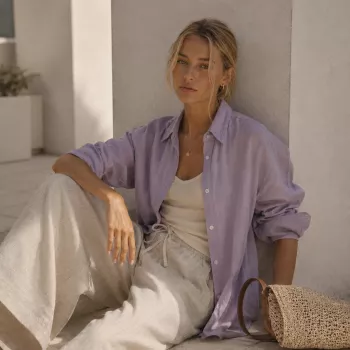
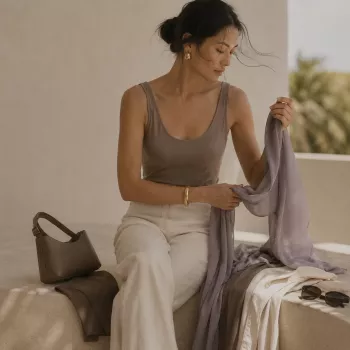
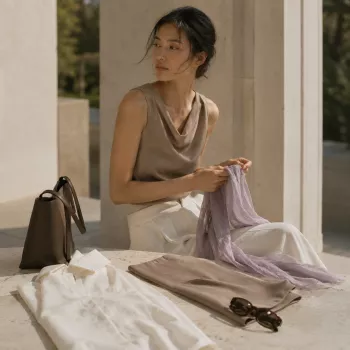
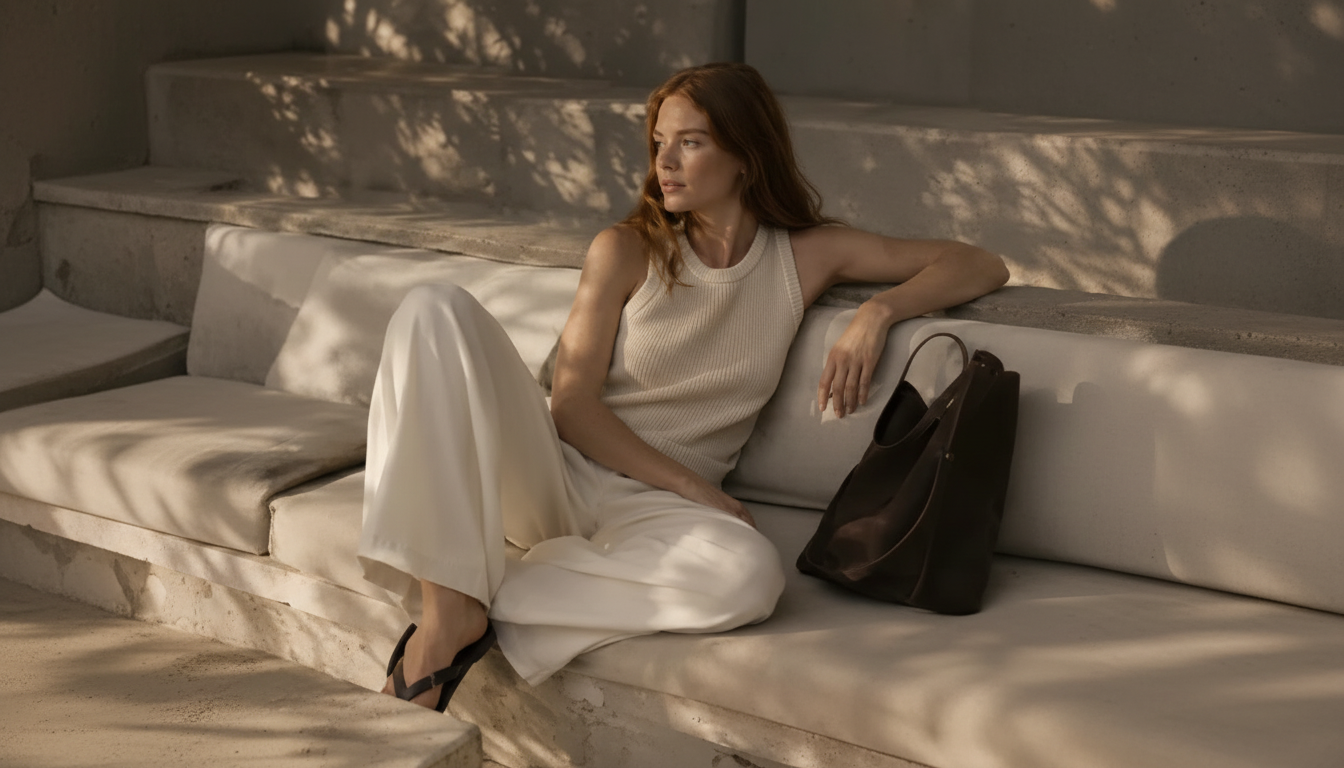
If comfort is the priority, lighter colors generally feel better because they reflect more light. Consider white, cream, light gray, soft pastels, or summery neutrals like sand and stone. Bright hues (like coral or sky blue) can also feel “cooler” visually and often pair well with warm-weather accessories.
More details and outfit guidance
For a deeper breakdown of what to skip, what to wear instead, and how fabric changes everything, read the full guide here: https://absolutefashionista.shop/which-color-don-t-wear-in-summer/.
For Which Colors to Avoid Wearing in Summer Heat, the best answer depends on fit, material, care instructions, and how the product will be used day to day.
Checking those details first helps avoid a poor match and keeps the choice practical after delivery.
FAQ
What fabrics feel coolest in hot summer weather?
Breathable, lightweight fabrics like linen, cotton, and rayon tend to feel coolest because they allow airflow and help moisture evaporate. Avoid thick, tight weaves and many heavy synthetics when it’s hot and humid.